


Face value for a motion picture contours the anticipation for the film, in a case of foresight of the predication of an upcoming film. For dedicated cinema loyalists, an ensemble cast is always a delight, to see a cast assembled together viewing their onscreen chemistry can be a visual treat. For the price of one ticket, you are getting more for the value of your money and entertainment.
In the Hindi Film Industry, the Multistarrer film has been a phenomenon since the 1960s, especially since the emergence of stardom in Hindi cinema. Although, over the years we have seen a decline of the ‘multistarrer’ film being made which could be due multiple reasons.
For the regular viewing Hindi audience of today, where stardom plays a vital role in the stream rush of the average ticket buyer, a multistarrer does become a motive for the viewer to route from their homes to the cinemas for their leisure. But the question that lies-in about the multistarrer film, is that are they always successful ventures? Do they guarantee success?
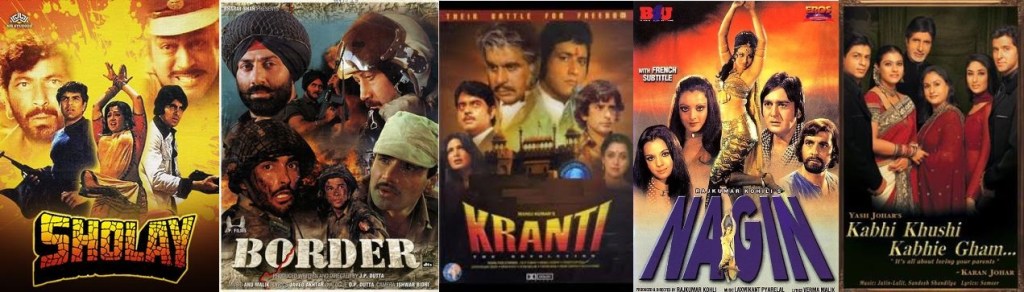
An ensemble cast film does create anticipation, but despite this, are they always successful at box office windows? Going by statistics, only a handful of them are successful ventures. The significant ones that have been immensely successful being Sholay, Nagin, Kranti, Border, Amar Akbar Anthony, Kabhi Kabhie, Karma, Trishul, Kabhi Khushi Kabhi Gham & Roti Kapada Aur Makaan. Defining the ensemble cast films we are talking about in this article, is the big cast film that is led by three to four actors that are frontal, saleable actors in their own right, not to be confused with character artists in the film.
So why is the successful ratio so low? Let’s take a look into the aspects and breakdowns of the possible reasons why most multistarrers do not strike gold in appeal and the reason behind why they miss the train at the box office. In this case study, films that will be used as subjects are Mera Naam Joker (1970), Jaani Dushman (2002), LOC Kargil (2003) and many more.
The Overwhelming Aspects
The two overwhelming aspects that can play a film’s nemesis is its hype and the luggage of expectations. Any film with an ensemble cast will come along with its own baggage, the star’s market value including the filmmaker’s credibility. In most cases, an ensemble cast will not be helmed by a new or fresh director but a director with credible work. A director’s credibility is a partial reason behind getting a nodding head of agreement from stars to be apart of the director’s next film. So automatically the stakes are high. The other aspect being the hype with the attachment of stars building excitement for the film.
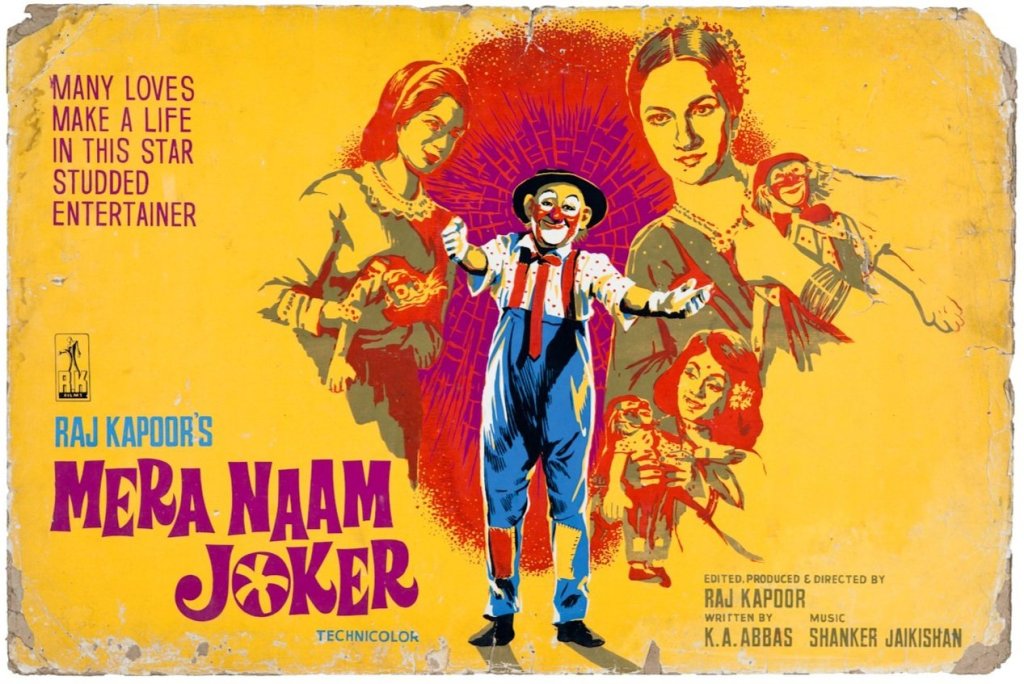
For example, with Mera Naam Joker (1970) with Raj Kapoor’s credibility of being a successful director with alongside a huge starcast, but who flocked to the cinemas at the time found the film disappointing as they failed to connect to the film as well as finding the film’s lengthy runtime overwhelming.
At times, with the attachment of a certain saleable star, the loyalist fans and admirers of the actor flock to the cinema in hopes to see their star at their best. At times, that can be overwhelming for the fan when they see that their star is not presented correctly or their calibre falls short in an ensemble cast film. For example, in Jaani Dushman (2002) with such a huge cast, Sunny Deol and Akshay Kumar being the front faces of this Rajkumar Kohli feature, both had huge fan followings at the time of the release, and of course still do. Audience members who had reached cinemas in August 2002, were disappointed to see that both the stars had limited screen time.
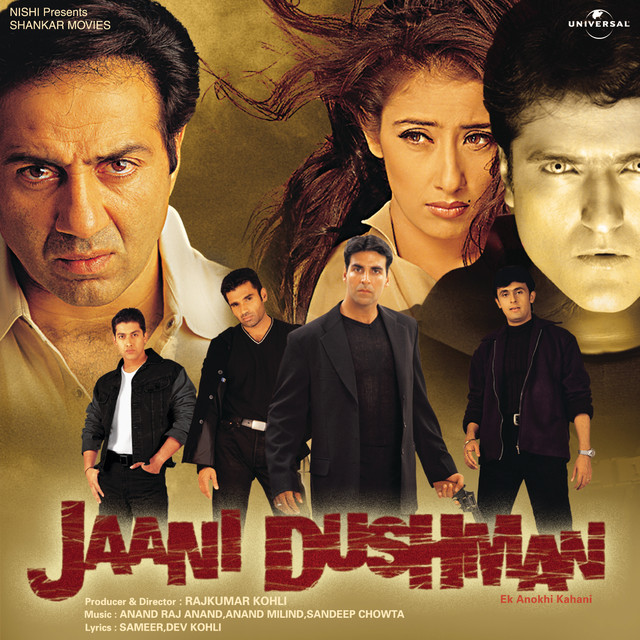
Sunny Deol’s character comes at regular intervals during the film’s narrative making his role almost seem as an extended cameo; whereas Akshay Kumar’s act disappears from the film with an alleged ‘coma’. Fans of two superstars, during its theatrical run, had exited cinemas fuming (I, myself remember some of the curse words mentioned by many at the time).
Justifying the Presence
A reason why a lot of multistarrers are not made as filmmakers struggle in justifying the presence of multiple stars on screen at one time. At times the battle amongst stars with the makers begins from the pre-production stage, mainly regarding screen time. Recently, a superstar from the previous decade had mentioned they did fewer films due to the ‘burden of stardom’, underlining that regardless how good the script, director or character is, their stardom margins on top prioritising their presence in that film. So often, at times, we have not or maybe will not hear of such cases where films or casting did not materialise due to the battle of screen time.
A popular example, Rajiv Rai desired to make a film in which he wanted to loop in his favourite actors at the time, Akshay Kumar, Bobby Deol and Sunil Shetty. Rai had even written a script woven around these actors. But the battle for screen time began and all three fought for the central character. Rai eventually compromised on his casting dream and went ahead with the film only retaining Sunil Shetty which eventually became Pyaar Ishq Aur Mohabbat (2001), which we all saw the fate of.
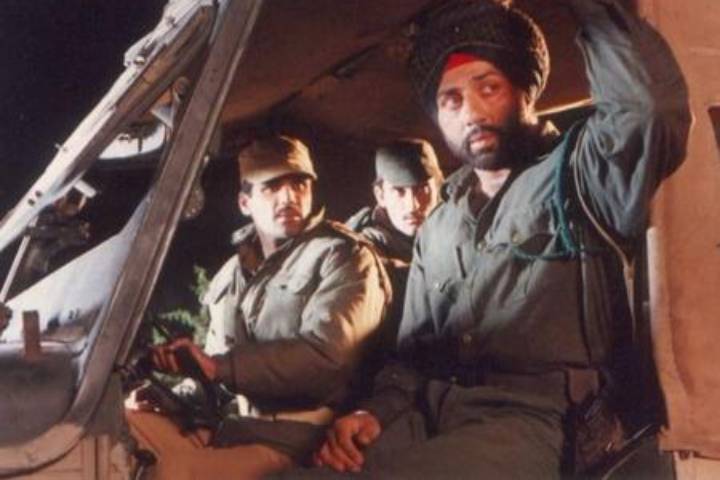
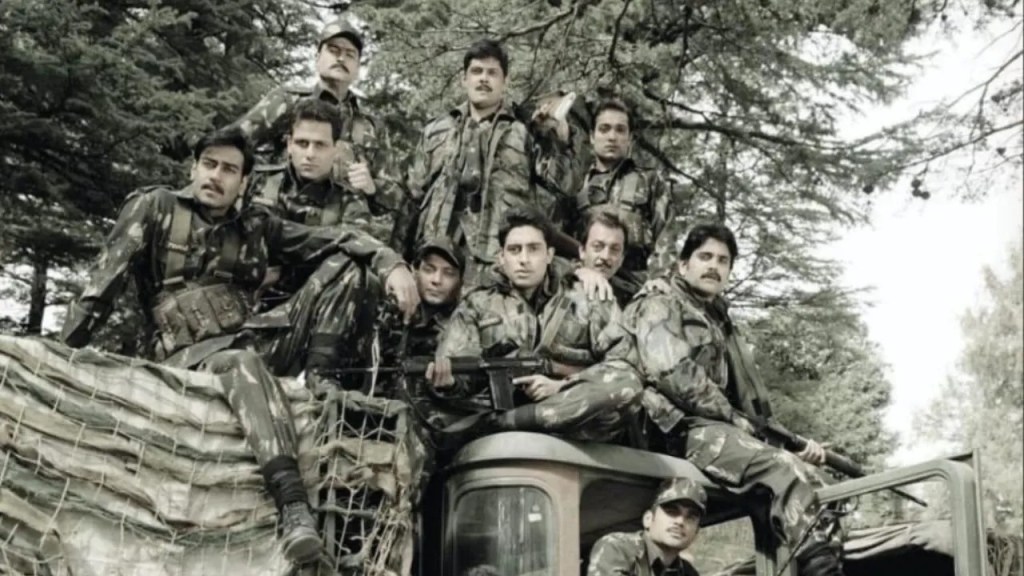
Similarly, at a time when J.P Dutta had made LOC Kargil (2003) with a large number of stars, the audience at the time were letdown by the fact that each actor had a limited screen time. Which questioned exactly who was the protagonist or the central lead in the film, and if any of the stars were even justified of their stardom to be present in the film. Each star in the film was playing a Military character that appeared at regular intervals.
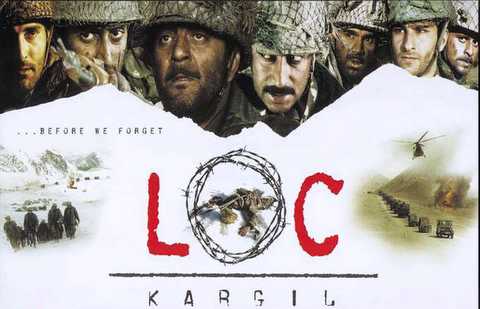
Arguably, with LOC Kargil, the film had an expectancy attached to the film’s name. J.P Dutta’s last venture, Border (1997), another ensemble cast had the stars present throughout the film, which the audience was expecting in LOC Kargill. In Border, J.P Dutta had finely sketched out each character of the film keeping in mind the actor’s off-screen image and had done such a fine detailed job with each character of the film. In LOC Kargil, the characters were not even half-baked.
Economics
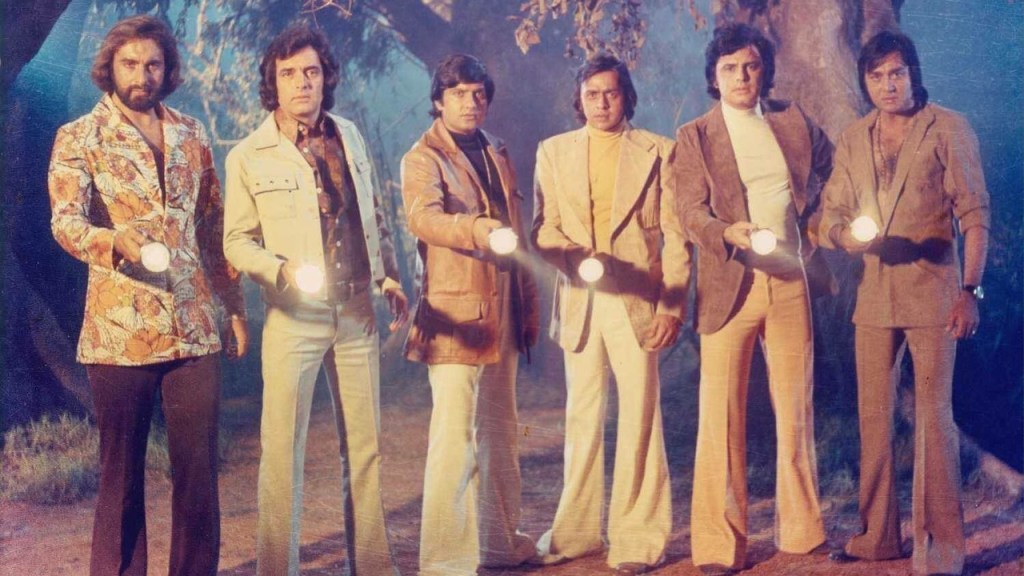
A multistarrer film is no small fish to fry. If a reputed director is making an ensemble cast film with saleable stars, then the makers are making bigger cakes. One of the three or four stars involved in the film will add their market value to the budget of the film by asking for their market price. At times some actors, given their fair relationship with the director, would decrease their fee depending on the relationship with the director they share. For example, in Nagin (1976), Rajkumar Kohli had promised the same/similar fee to the team of actors – to avoid any conflict amongst the cast regarding remuneration.
Similarly, the same director had not paid each actor a full and final fee in Jaani Dushman (2002) but a price of a ‘per day’ (per day or a ‘daily’ is a production term in which a technician, actor or anyone involved in the shoot of a film is paid on a daily basis rather than being paid in one lump sum, so they will paid when required).
The value of the actor and their market fee will naturally increase the budget of the film which would then place a price on the film’s sale to distributors. The film’s budget plus the film’s sale price would have to meet a certain profitable target in order for the film to be a successful venture. Which has been the case with ensemble cast films such as Mera Naam Joker (1970), LOC Kargil (2003), Omkara (2006) and the recent Kalank (2019) where the film has been sold for such a huge amount, in which recovery for these films at those selling prices made it difficult to retain, despite taking big openings at the box office.
In the simplest terms, for my friends who keep on telling me they do not understand film economics or how the Hindi Box office works, it’s simple – a film was made for $100 (just an example purpose), sold to distributor for $200 but only made $75 in ticket sales, terming it a box office flop.
LOC Kargil (2003) had a different problem. The film was released on Christmas weekend 2003 and opened huge at cinemas auditoriums across the globe, benefitting from the holiday period. As the film was produced at a high cost and eventually sold at such a high price, ticket prices in cinemas were inflated. So the price of watching one LOC Kargil in a cinema was the same price of two films! So the average ticket buyer on a monthly budget, had outrightly refused to take a visit for the J.P directed film.
The Curse of the Ensemble Cast: Plot Written or Plot Woven?
Often a screenwriter’s original story can fall prey to misdirection and mismanagement during the process of filmmaking. Stars become an asset to the filmmaker’s feature, so it’s not unheard of when a star has made creative changes to the film according to their sensibilities over the filmmaker’s. But what happens when it’s not one star, but several? This is known as the curse of the ensemble cast film. Script changes, an indication of amateur filmmaking, that occur on the day of shoot, something that is regulated by one or some stars of the film – is the first sign of the film slipping away from the filmmaker’s hands.
Even established filmmakers have had to deal with starry tantrums with creative changes on set, without realising that the script is the blueprint of the film with the director being a labourer, a small change can initiate the building to crumple. An example, in Jaani Dushman (2002) in order to keep most of the actor’s screentime to an assembly order, Rajkumar Kohli had adjusted the dialogues and even hired new writers on the day of shoot to write dialogues that accommodated all the actors in the scene.
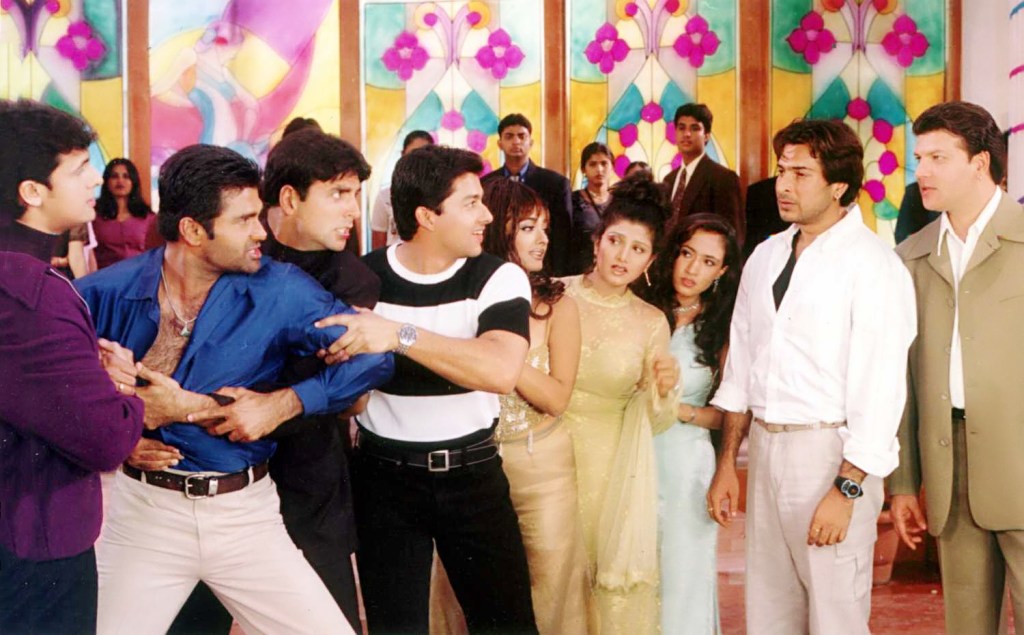
So two lines would be mouthed by one actor, another two by another and so on. Which questions the idea, would the scene be written or directed differently had those seven-eight actors not been in the same scene or same frame? If character artists were in place instead of stars, would each actor mouth two lines each? At times a star’s presence can be intimidating for a filmmaker when being all ears for your star, but at times, these issues can lead to jeopardising a well written script. Leading the actor and filmmaker in hands with a bad film entirely.
The Curious Case of the Comedy
Comedy itself is serious business and a good comedy at times can do exactly that. Comedies post 2000s became a genre that expanded into becoming a regular money-spinner at the box office. Right up until the 90s, comedy was likely seen as a skit alongside the main plot being played out by a ‘comedian’ and their track was ‘stitched’ into the narrative. The last batch of comedians in the 90s being Johnny Lever, Kadar Khan, Shakti Kapoor, Paresh Rawal, Satish Kaushik. Although the comedian did continue their act to the following decade, comedy was progressed to be largely played by the commercial Hindi film star.
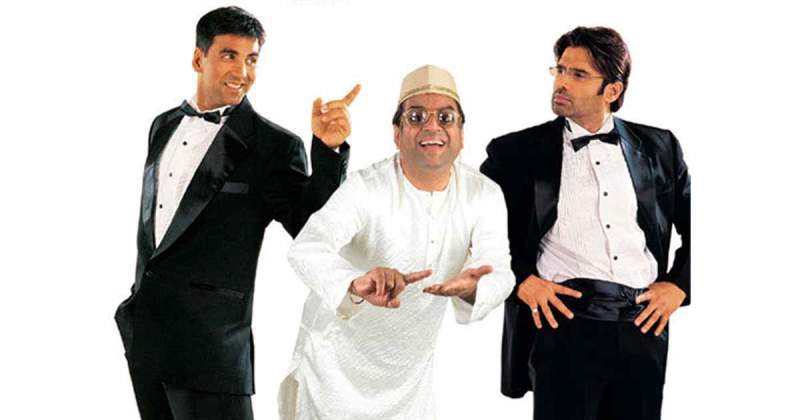
Quite possibly we can say that Hera Pheri (2000) is the flag bearer in changing the face of the genre, shifting the genre into the commercial space. Akshay Kumar and Sunil Shetty, who were known for their action images, playing leads in a comic film. Hera Pheri was not a huge success at the box office but it established itself as a game changer as what followed was a decade of successful multistarrer comedy films, which was ignited by director Priyadarshan.
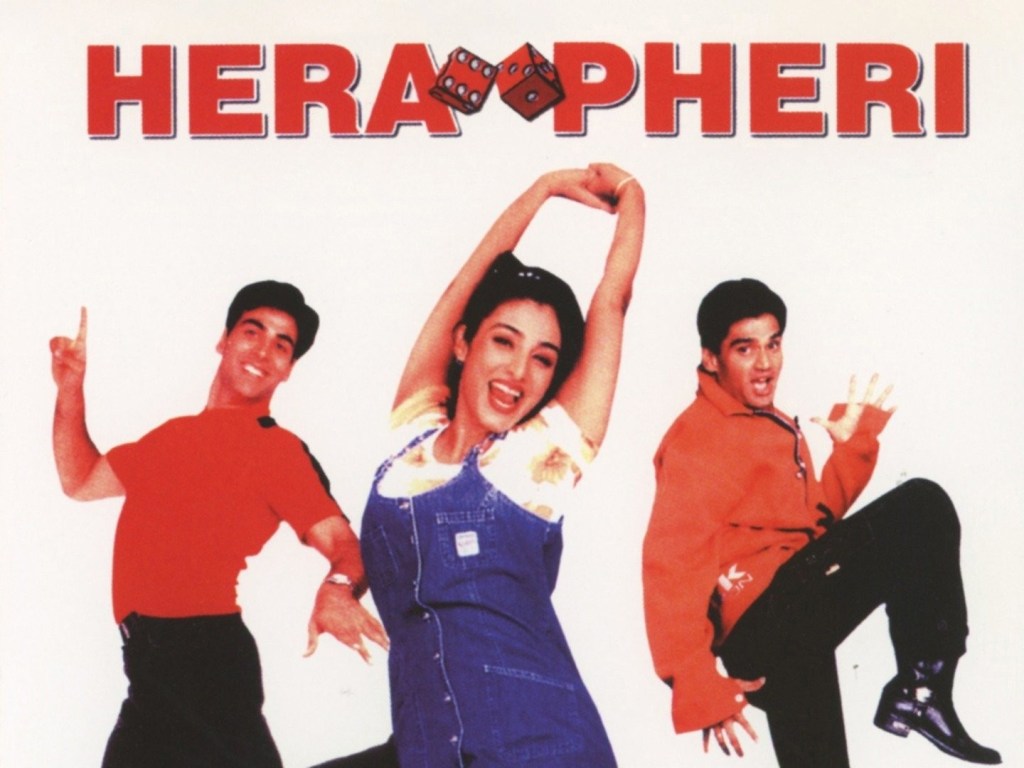
Priyadarshan, alongside writer Neeraj Vora had made many successful ventures throughout the 2000s with commercial lead heroes and both director and writer had carved a niche for themselves. The genre continued and became stronger, with directors like Priyadarshan & Anees Bazmee delivering continuously, maestros like Indra Kumar & David Dhawan revamping in comedy and newer directors like Rohit Shetty & Sajid Khan continuing the success of the genre to the next decade.
The question being, how do comedies stand out in the multistarrer category? Why do they have the leap over the other genres? As much as hardwork goes into the making of a comedy feature, the audience take the genre as frivolously. Comedies work big amongst the larger cinegoer crowds, families, children, couples etc and even attract big crowds during the festive periods. The audiences themselves who take the genre frivolously, undermining such overwhelming aspects and expect just to have a good time in the cinema.
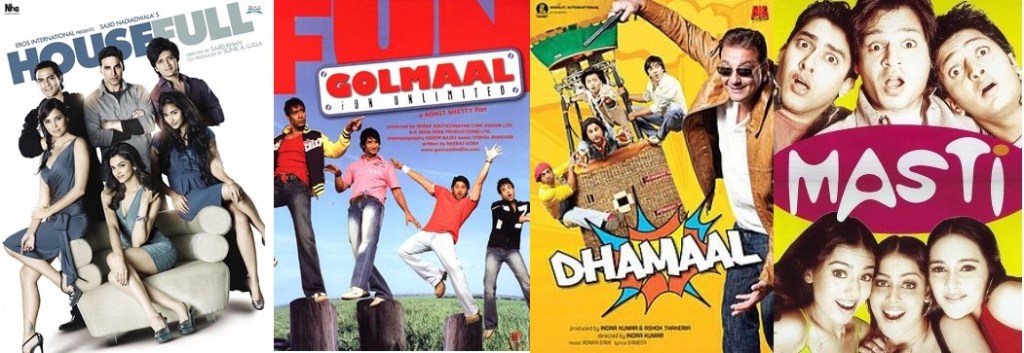
Stardom does not play a huge role in the genre of comedy, and we can say comedies work more on laughs than stars. Although we can say major franchises such as the Housefull, Golmaal, Hera Pheri, Bhool Bhulaiyaa are tentatively led by saleable stars but franchises like Masti, Kya Kool Hai Hum, Fukrey, Stree, Dhamaal (now though taken over by Ajay Devgan) are solely sold of the popularity and the name of the franchise.
A case study, the film Hulchul (2004) which coincidentally marked 20 years recently since its release, was a moderate success in India and overseas. Hulchul was successful despite Veer-Zaara (2004), which had been released two weeks prior to Hulchul, was still running to full houses in cinemas all over.
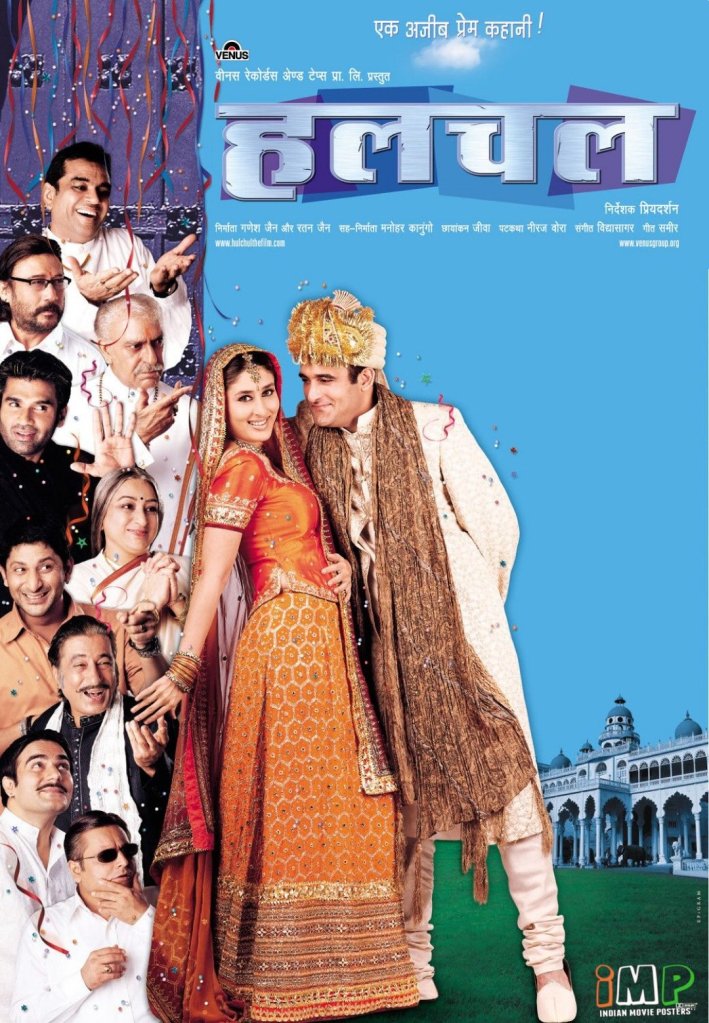
Hulchul is an interesting case as the film features five actors, who at the time were face valued actors – Akshaye Khanna, Sunil Shetty, Arshad Warsi, Jackie Shroff & Arbaaz Khan. In Hulchul, every actor despite their star image played characters. To elaborate, audiences at the time raved on about Paresh Rawal & Arshad Warsi’s comic timing despite the fact that Akshaye Khanna was the ‘lead’ actor of the film in which the film revolves around. Akshaye Khanna, infact, was not even playing the quintessential Hindi film ‘hero’ of the film. A scene in which he is beaten by Sunil Shetty’s character which is seen in Hindi cinema demographics as an image ‘tarnished’ for his ‘hero’ on-screen image. Akshaye Khanna in Hulchul was no hero, but he was a character of a simple college going, average boy next door.
Comedies possibly throw the idea of heroism out of the window and open the doors for buffoonery. Where no really plays a ‘hero’ and the lead, despite his image, is no longer known as a star. Another example of a Priyadarshan film, in which Akshay Kumar was locked in a cupboard in De Dana Dan (2009) for 40 minutes of the film, blatantly making his absence felt.
Coming back to Hulchul, it also questions, had someone with a starry image been replaced in the film, would have it changed dynamics? For example, if Sunil Shetty’s character (who at the time was playing lead roles) was replaced by a peer of the likes of Milind Gunaji or Irfan Khan, both of which Priyadarshan had worked with, would it have made more or maybe less of an impact on the film in terms of value? Would it have made an impact on the character in totality? Was Shetty’s presence required for the role of Veer?
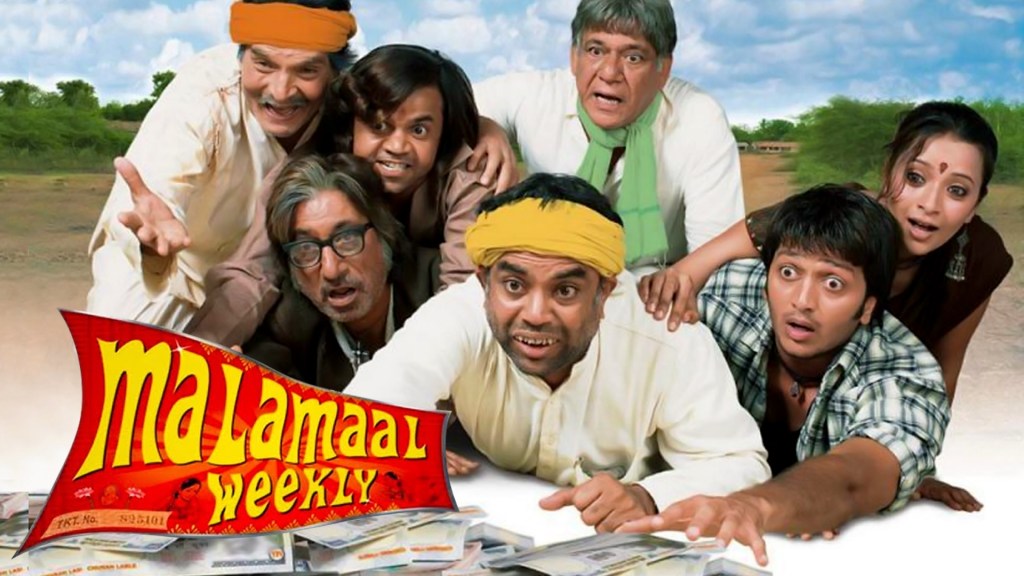
Similarly, two years after Hulchul, Priyadarshan had made Malamaal Weekly (2006) which did not have any huge star, although Ritiesh Deshmukh was present playing a character in the film. Malamaal Weekly was a successful film during its time of release and made profits for the producers and distributors being a reasonably budgeted film. Malamaal Weekly had a lot of a characters with Paresh Rawal playing the lead character. But would it made a difference to the film’s value had Akshay Kumar, Sunil Shetty, Akshaye Khanna, Jackie Shroff, Arshad Warsi had replaced Paresh Rawal, Om Puri, Rajpal Yadav, Asrani & Shakti Kapoor? Would the film be equally successful or more? Hypothetical but this comes down to the genre being on the high end of laughs than stars. Maybe the film would have gathered a larger opening or added two more decimals to the total figure but does not pull away from the fact that it’s a successful and memorable film. Which also questions, what if the film had fallen prey to the multistarrer curse?
Although these are speculative theories and does not mean all comedy multistarrers are superlative, even films like Do Knot Disturb (2009), No Problem (2010) or Humshakaals (2014) belong to the same genre and followed a similar suit or pattern to the previous films but did not find takers. This could be an argument of a good film or a bad film, but what we as an audience take more into consideration. Maybe we do not take comedies seriously or we do take a multistarrer drama serious enough with a star stunned cast, maybe. An answer debatable but a multistarrer just needs that extra effort and extra care, maybe adding the right ‘ingredients’ and the right time, just could be that answer.




 Kismat Talkies